Fed Day Market Report
Oil Is Driving Inflation Higher—Does the Fed Really Need Multiple Rate Hikes?
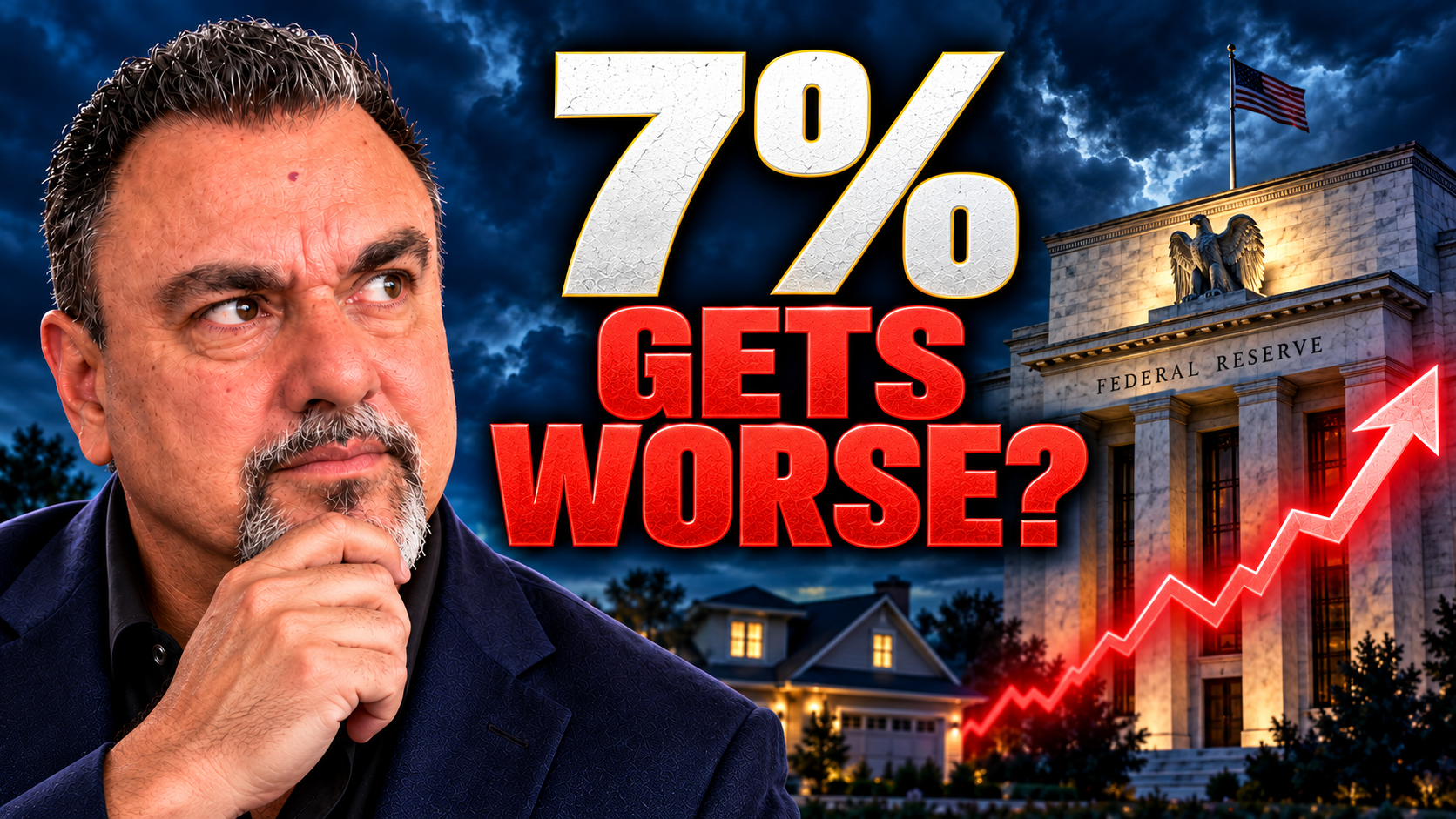
The real question is not simply whether the Fed raises rates today. It is whether an oil-driven supply shock forces one increase—or begins another cycle of rate hikes.
Today is Federal Reserve decision day, and financial markets believe a rate hike is almost certain. For homebuyers, homeowners, and real estate professionals, however, the quarter-point decision itself is only part of the story. The Fed’s guidance about what comes next could matter far more to mortgage rates.
Two years of oil, Treasury yields and mortgage rates
Monthly averages from September 2024 through August 2026, followed by the September 16 market snapshot. Rate scale is on the left; oil is on the right.
The numbers behind today’s decision
August CPI rose 3.4% from a year earlier, while core inflation—which removes food and energy—was considerably lower at 2.4%. Energy prices rose 16.3%, and gasoline prices increased 27.4% over the year. Source: Bureau of Labor Statistics
What supports a hike?
- Retail sales: +1.2% monthly
- Headline CPI: 3.4%
- Energy inflation: 16.3%
- WTI oil: roughly $103–$104
- 10-year Treasury: near 5%
What 5.99% versus 7.00% does to a buyer
This example uses a $400,000, 30-year fixed mortgage and compares principal and interest only.
| Scenario | 5.99% | 7.00% |
|---|---|---|
| Monthly principal & interest | $2,396 | $2,661 |
| Cost per $100,000 borrowed | $599/mo. | $665/mo. |
| Increase at 7.00% | — | +$266/mo. |
With 20% down, that same-payment comparison equates to an estimated home-price range falling from $500,000 to about $450,100—a reduction of roughly $49,900. Taxes, insurance, HOA dues, mortgage insurance, and closing costs are excluded.
Oil has changed the inflation picture
WTI crude began the year near $60 per barrel and is now trading around $104—an increase of roughly 70%. That affects far more than the price at the pump. Higher oil prices can increase transportation, delivery, airline, manufacturing, agriculture, construction, and food-distribution costs.
The August CPI report shows the effect: gasoline increased 3.9% in one month and accounted for more than one-third of the monthly increase in headline inflation. A meaningful part of today’s inflation problem is being created by energy—not necessarily excessive demand across the entire economy.
Can the Fed fix an oil supply shock?
The Fed raises interest rates to reduce demand. Higher borrowing costs can slow spending, hiring, investment, and economic growth. But rate hikes cannot produce oil, repair infrastructure, reopen shipping routes, or resolve geopolitical conflicts.
That creates a difficult choice. If the Fed does too little, higher energy costs could spread into wages, services, and inflation expectations. If it does too much, it could slow housing and the broader economy without solving the original supply problem.
Retail sales show consumers are still spending
August retail and food-service sales increased 1.2% from July and 6.0% from a year ago, reversing the previous month’s revised 0.5% decline. Even after excluding automobiles and gasoline, sales rose 1.2% for the month. The improvement was therefore not solely the result of consumers paying more at gas stations. Source: U.S. Census Bureau
The Fed is looking at an economy where consumer demand remains resilient while energy costs are lifting headline inflation. That gives policymakers more room to raise short-term rates—but it does not prove that every part of the economy is overheating.
Why mortgage rates rose before the Fed acted
Mortgage rates have already climbed substantially even though the Fed has not increased its policy rate in more than three years. That is because the Fed does not directly set 30-year mortgage rates. Mortgages respond primarily to mortgage-backed securities, Treasury yields, expected inflation, government debt supply, global bond demand, prepayment risk, and market volatility.
The spread is often called a risk premium, but it contains several pieces: prepayment and duration uncertainty, mortgage-backed-security liquidity, servicing and guarantee costs, lender margins, and general market volatility. If volatility falls, mortgage rates could improve even without a dramatic decline in Treasury yields. Source: Mortgage News Daily
One hike—or several?
Markets assigned roughly a 92% probability to a quarter-point increase before today’s decision, which would move the federal-funds target range from 3.50%–3.75% to 3.75%–4.00%. Futures pricing also suggested that investors were not expecting a simple one-and-done move. View current market-implied probabilities
Scenario 1: One hike, then pause
- Oil retreats
- Headline inflation cools
- Core inflation remains near 2%
- Spending and employment soften
- Inflation expectations stay controlled
Scenario 2: Multiple hikes
- Oil remains above $100
- Energy costs spread into other prices
- Retail spending stays strong
- Economic growth remains firm
- The Fed signals sustained inflation concern
Will a Fed hike automatically raise mortgage rates?
Not necessarily. A quarter-point increase is already heavily anticipated. Bond and mortgage markets have spent weeks pricing it in.
Mortgage rates could improve if the Fed describes the move as temporary, emphasizes the supply-driven nature of inflation, or projects fewer future increases than markets expect. They could move higher if the Fed signals that today is the start of a longer tightening cycle.
The market reaction will depend most on:
- The Fed’s written statement
- The updated economic projections and dot plot
- Chair Kevin Warsh’s comments about the path of future hikes
What this means for buyers and homeowners
Do not assume a Fed hike means mortgage rates must rise by the same amount. The expected increase is already largely reflected in today’s market. For borrowers closing soon, the greater risk is an unexpectedly aggressive message about additional increases.
A lock-or-float decision should be based on the closing date, personal tolerance for volatility, loan program, and actual lender pricing—not a single headline.
The bottom line
The Fed is confronting two inflation stories. Core inflation is relatively close to target at 2.4%. Headline inflation is higher at 3.4%, with energy prices rising more than 16% over the past year.
Will the Fed treat higher oil prices as a temporary supply shock—or the beginning of another persistent inflation cycle?
The answer will help determine whether today’s expected increase is one-and-done or the first of several. For mortgage rates, that guidance matters far more than the hike itself.
Mortgage rates quoted are national averages and do not represent a loan offer. Actual pricing varies by credit profile, loan program, occupancy, property type, points, lender, and market conditions. Market figures can change throughout the day. This article is for educational purposes and is not financial or investment advice.