What happened on Tuesday
Every month, S&P Global surveys purchasing managers across the U.S. economy. Their answers give us an early read on how businesses are doing, called the PMI (Purchasing Managers' Index). Any reading above 50 means growth. Tuesday's numbers weren't what anyone expected.
- Services PMI: 58.7, the highest in almost five years.
- Manufacturing PMI: 57.0, the highest in more than four years.
- Business input costs rose at the fastest pace in four years, driven mostly by fuel and transportation.
- Supply-chain delays were the worst since 2022.
Why the Fed raised rates last week
On September 16, the Federal Reserve raised its benchmark rate by a quarter point, to 3.75%–4.00%. It was the Fed's first increase since 2023, and the vote was unanimous. Fed Chair Warsh put it plainly: "Inflation is too high and has been for too long."
Most Fed officials also said they expect at least one more increase this year. The next Fed meeting is October 28.
The oil problem
A big share of this inflation starts with oil. With tensions involving Iran and the Strait of Hormuz, Brent crude is trading around $100 a barrel, up about 50% from a year ago. That shows up in costs you can see:
- Gasoline prices are up 27% over the past year.
- Airfares are up 23%.
- Diesel and shipping costs are rising, and they feed into the price of almost everything.
The Fed can't lower the price of oil. What it can do is try to keep high energy costs from spreading into the rest of the economy. That's why it's raising rates, and why it watches "core" inflation, which excludes food and energy.
Why next week's PCE report matters so much
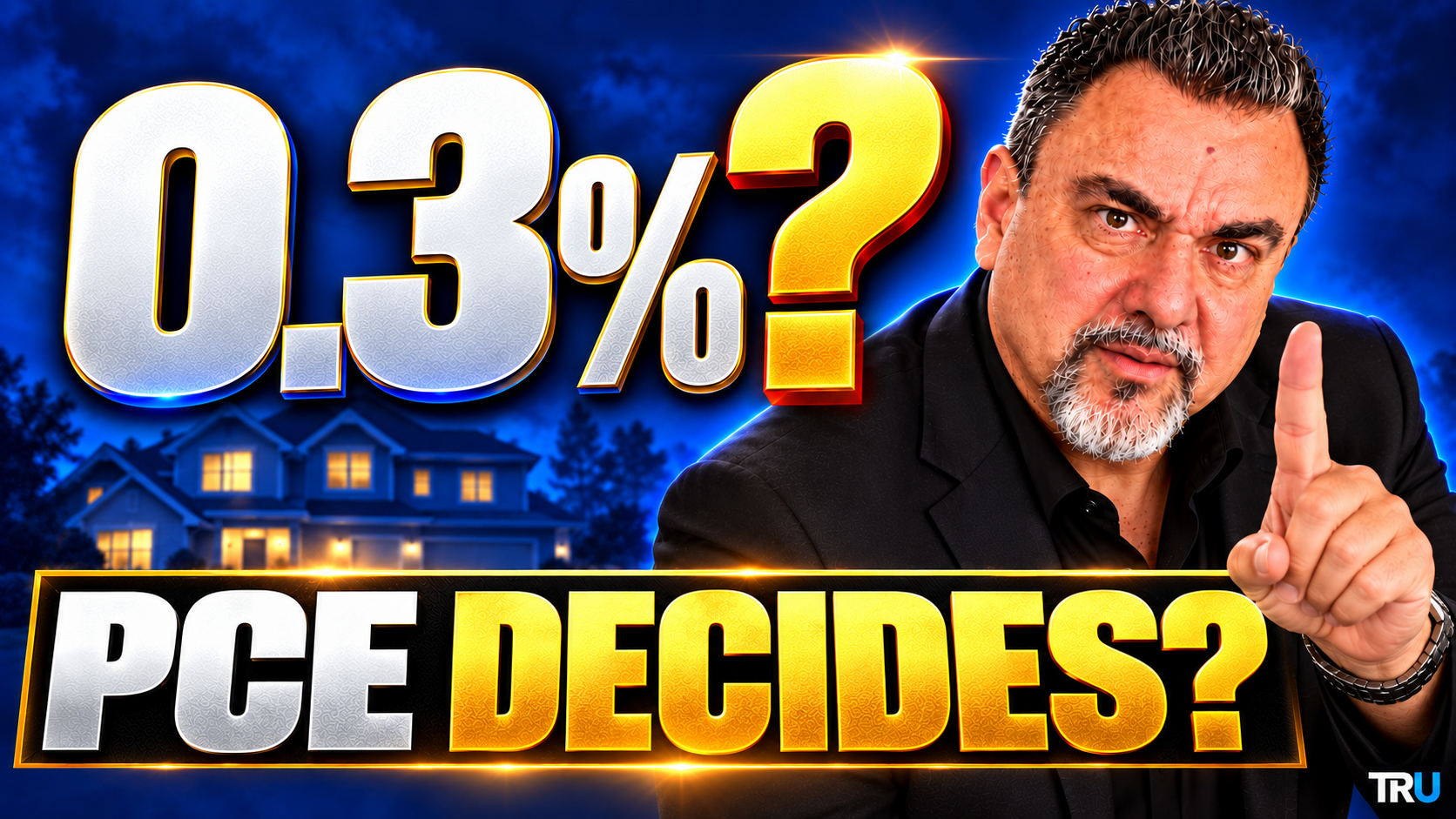
You usually hear about the Consumer Price Index (CPI). The Fed's preferred inflation measure, though, is the PCE (Personal Consumption Expenditures) price index, and that's the number it measures against its 2% target. Right now, headline PCE is running 3.7% and core PCE is 3.3% over the past year. The August report comes out Wednesday, September 30, at 8:30 a.m. Eastern.
My forecast for August PCE
| Monthly | Yearly (forecast) | July (actual) | |
|---|---|---|---|
| Headline PCE | about +0.35% | about 3.8% | 3.7% |
| Core PCE | about +0.3% | about 3.4% | 3.3% |
| Fed target | n/a | 2.0% | 2.0% |
I built this forecast from the August consumer and producer price reports and the Federal Reserve Bank of Cleveland's inflation "nowcast." In short, I expect inflation to tick up slightly, not down. Rising gas prices and airfares are the main drivers. The government is also releasing annual data revisions that morning, which could shift the numbers in either direction.
Three scenarios and what each could mean for rates
Markets would likely treat an October Fed hike as all but certain, and rates would move higher.
Mostly priced in after this week's selloff. That means no relief, but no new shock either.
A relief rally could bring rates back down toward the 7% level.
What this means for your monthly payment
Every quarter-point change in rate moves the payment on a $400,000 loan by about $65–$70 a month (principal and interest):
| Rate | Monthly principal & interest | Difference vs. 7.00% |
|---|---|---|
| 7.00% | about $2,661 | n/a |
| 7.26% (today) | about $2,731 | +$70 |
| 7.50% | about $2,797 | +$136 |
What I'd do right now
- If you're under contract or close: talk with me before September 30 about locking your rate or letting it float. The day of a major data release is not the time to be undecided.
- If you're shopping for a home: get fully pre-approved now so you can act quickly if rates dip.
- Ask about seller credits and rate buydowns. In a 7%+ market, these can lower your payment more than waiting for the Fed.
- Focus on the payment, not the headline rate. If the payment works for your budget today, you can look at refinancing later if rates come down.
Key dates to watch
One application. One credit pull. We compare over 30 lenders.
Want to know what these scenarios mean for your purchase or refinance? Let's run your numbers before September 30.
(630) 360-3490 · therateupdate.com