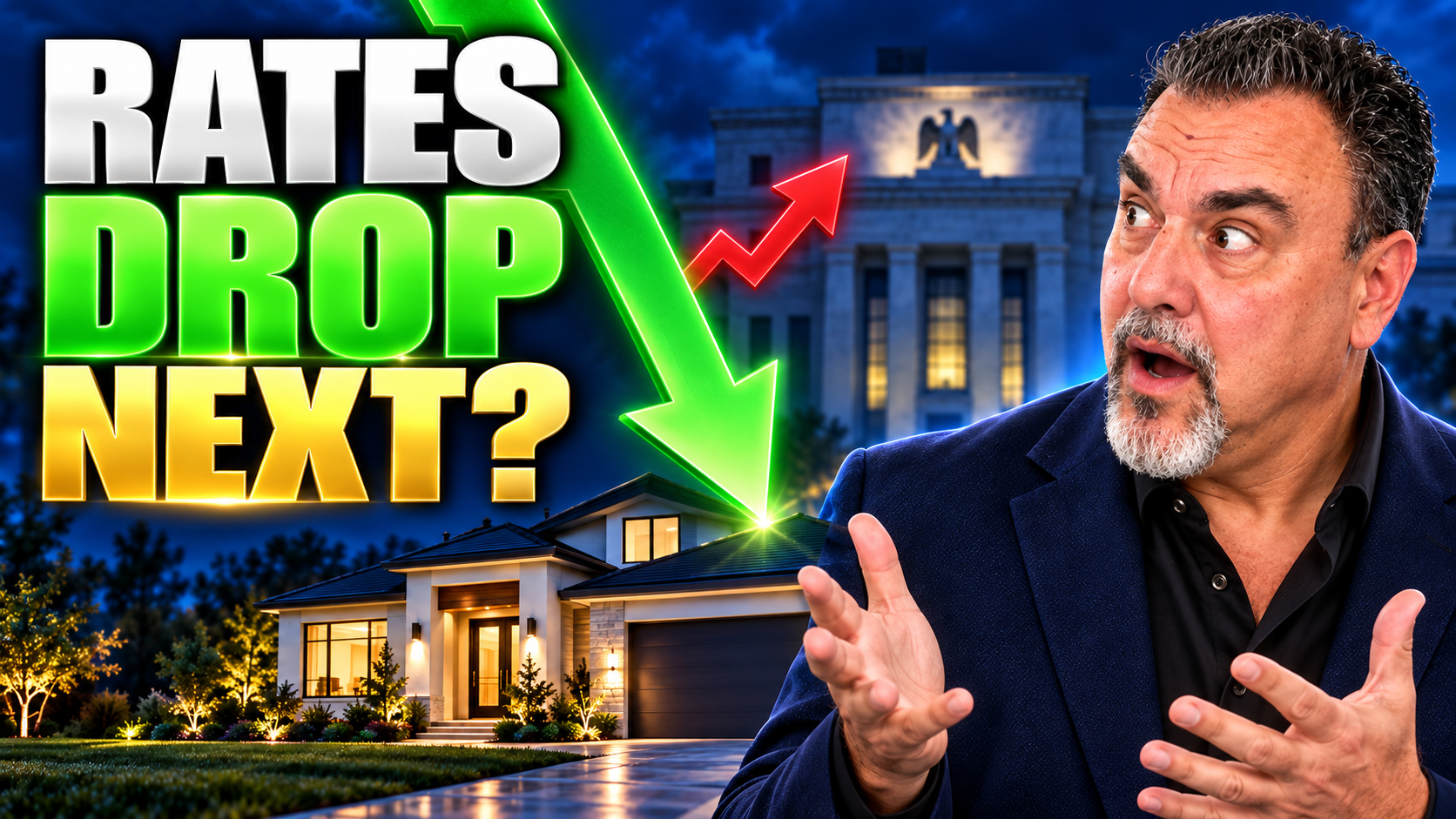
Wednesday’s headline may say, “FED RAISES RATES.” Many buyers will assume mortgage rates must immediately rise. That is not necessarily how the mortgage market works.
What changed this week?
Inflation came in close to expectations in several areas, but some readings were hotter than the Federal Reserve wanted. Energy was a major part of the pressure.
Consumer prices rose 0.4% in August. Gasoline rose 3.9% during the month and accounted for more than one-third of the total monthly CPI increase. Producer prices also rose 0.4%, with producer-level energy prices up 4.2%. Oil trading above $100 per barrel has added to the inflation concern.
Traders were pricing approximately an 89% probability of a quarter-point rate hike as of Monday morning, according to CME FedWatch data reported by Reuters. That makes a hike highly likely—not guaranteed.
The eighth-grade explanation
Imagine a storm destroys much of Florida’s orange crop. Orange juice becomes more expensive, so the inflation report rises. The Fed responds by making borrowing more expensive.
Did higher interest rates grow more oranges? No. They simply reduced how much money people could spend.
That is the Fed’s problem with an oil shock: higher rates can reduce demand, but they cannot produce more oil or move a tanker through a blocked shipping route.
Why could mortgage rates fall after a Fed hike?
1. The expected hike may already be priced in
Bond traders do not wait for the announcement. They trade on what they believe will happen. With the market already assigning high odds to a hike, much of that expected move may already be reflected in Treasury yields and mortgage pricing. The surprise—not the expected decision—is usually what creates the largest reaction.
2. Investors may believe the Fed has done enough
If the Fed raises rates but suggests this could be the final hike, investors may expect inflation and economic growth to slow. They may buy Treasury and mortgage bonds, pushing bond yields and mortgage rates lower.
3. Oil prices could reverse
If oil falls, gasoline and transportation costs can cool. That would remove part of today’s inflation pressure. The Fed could then realize that some of the inflation increase was an energy shock rather than an economy that was simply growing too fast.
4. The Fed could slow the economy too much
A rate hike makes credit cards, HELOCs and other short-term borrowing more expensive. If consumers and businesses pull back, economic growth and hiring may slow. Bond investors often buy when they expect a weaker economy—and that can lower long-term mortgage rates.
Three ways Wednesday could unfold
What should buyers, homeowners and Realtors watch?
- Does Chair Kevin Warsh describe inflation as broad and persistent—or heavily influenced by energy?
- Does the Fed signal another hike could come later this year?
- How do the 10-year Treasury yield and mortgage-backed securities react?
- Does oil stay above $100 or begin retreating?
Homebuyers
Do not assume the Fed headline tells you what happened to mortgage rates. Compare the actual rate, payment and closing costs available to you.
Homeowners
A fixed-rate first mortgage will not change. Variable-rate debts such as many HELOCs and credit cards may respond more directly.
Realtors
Help buyers separate the Fed’s overnight rate from long-term mortgage pricing. Wednesday’s guidance may matter more than the hike itself.
The bottom line
The Federal Reserve can raise its rate while mortgage rates fall. If the hike is already priced in and investors believe inflation will cool—especially if oil prices retreat—the bond market could rally and mortgage rates could improve.
If the Fed signals several more hikes and oil remains elevated, mortgage rates could stay under pressure. The most important question Wednesday is not simply, “Did the Fed hike?” It is:
Does the market believe this is the beginning of more rate hikes—or the move that finally brings inflation under control?
Want your numbers instead of another headline?
One application. One credit report. Compare 30+ lenders.
Sources
- U.S. Bureau of Labor Statistics: August 2026 Consumer Price Index
- U.S. Bureau of Labor Statistics: August 2026 Producer Price Index
- Reuters: Markets price an 89% chance of a rate hike
- Reuters: Fed’s table is set for a rate hike
- Federal Reserve: FOMC meeting calendar
Dan Frio | NMLS #246527 | PBT Bancorp | NMLS #257781 | 524 Main St., Hazard, KY 41701. Mortgage products are originated by PBT Bancorp. This material is for educational purposes only and is not a commitment to lend or financial advice. Rates and market probabilities can change without notice.