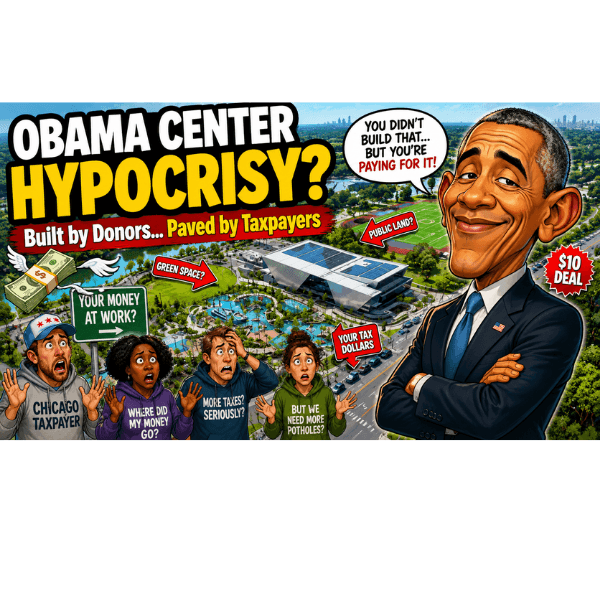
The Obama Presidential Center is promoted as a privately funded $850 million project, and technically, that’s true for the campus itself. But once you add in the 99-year public-land agreement, the nominal $10 deal, and taxpayer-funded infrastructure costs that could approach $200 million, the story gets a lot more complicated. This isn’t about whether Barack Obama is allowed to become wealthy or build a legacy project. It’s about whether the same standards applied to private developers, billionaires, and political opponents should also apply here.
Published on 06/09/2026

Why Housing Feels Broken: Prices Up, Rates High, Distress Still Low
Published on 06/04/2026
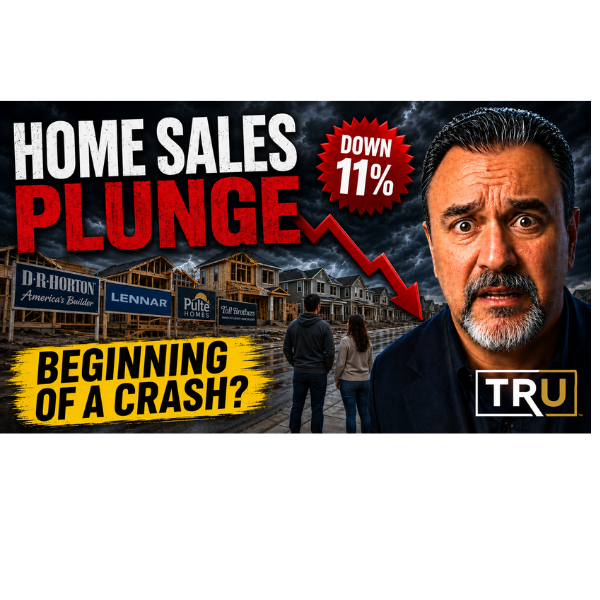
New home sales plunged 11%, but does that mean a housing crash is finally here? We break down what the latest data really says about builders, inventory, home prices, and whether buyers waiting on the sidelines may finally get their chance.
Published on 06/01/2026

The crashers have been preaching a housing collapse since 2021. But did they actually believe it enough to short the homebuilder stocks? Because if they did, the results tell a very different story. Home prices may be under pressure, but many builder stocks ripped higher. Today, we’re checking the receipts.
Published on 06/01/2026
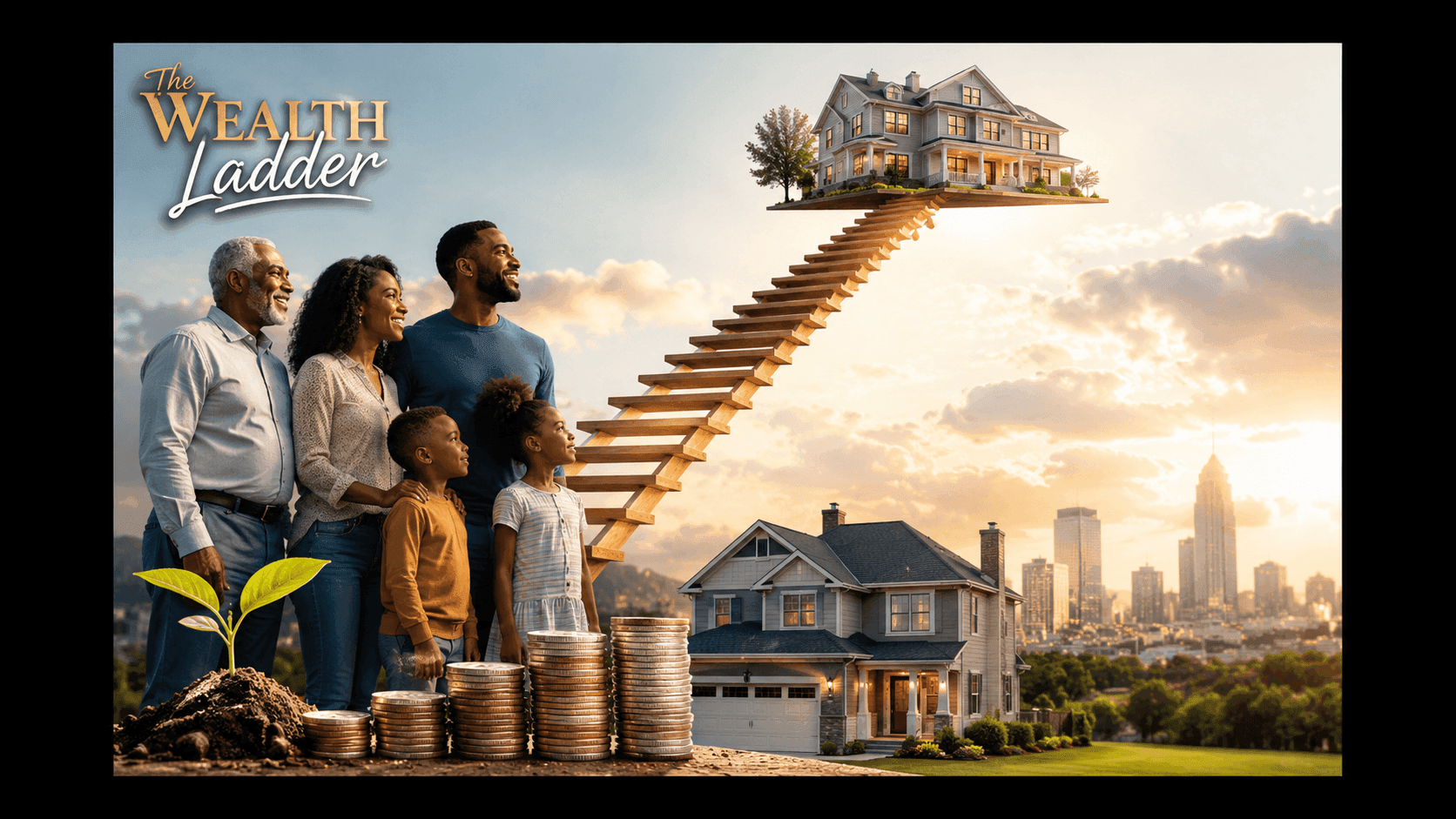

Car buyers aren’t just dealing with higher sticker prices. Since 2020, auto loan rates, average loan balances, and monthly payments have all moved higher, creating a much bigger payment shock than many families expected. This breakdown shows how the real cost of owning a car has changed — and why the monthly payment tells the real story.
Published on 05/28/2026
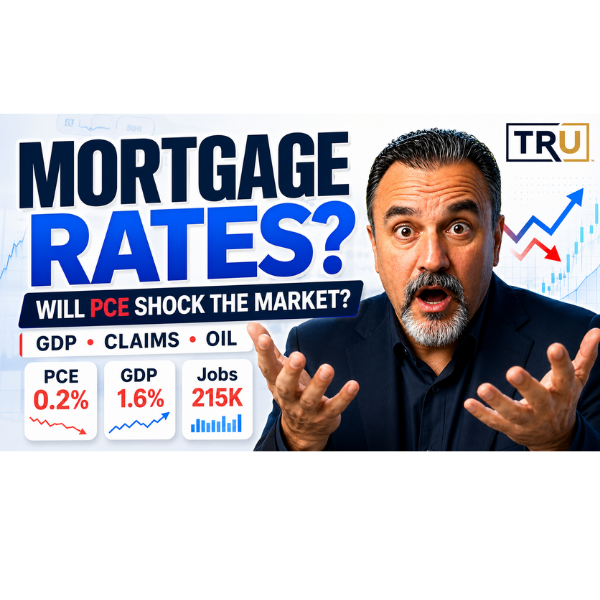
Today’s economic reports gave the bond market a lot to digest: PCE inflation, jobless claims, GDP, building permits, durable goods, and oil. Some of the data was mortgage-rate friendly, especially cooler monthly Core PCE and softer labor numbers, but inflation is still running above the Fed’s target. Here’s what today’s numbers mean for mortgage rates, real estate, and the Fed’s next move.
Published on 05/28/2026

Why Housing Still Feels Unaffordable Even Though Rates Have Improved The monthly payment has come down from the 2024 peak, but not enough to erase the affordability shock created by higher rates, higher home values, rising taxes, and rising insurance.
Published on 05/27/2026
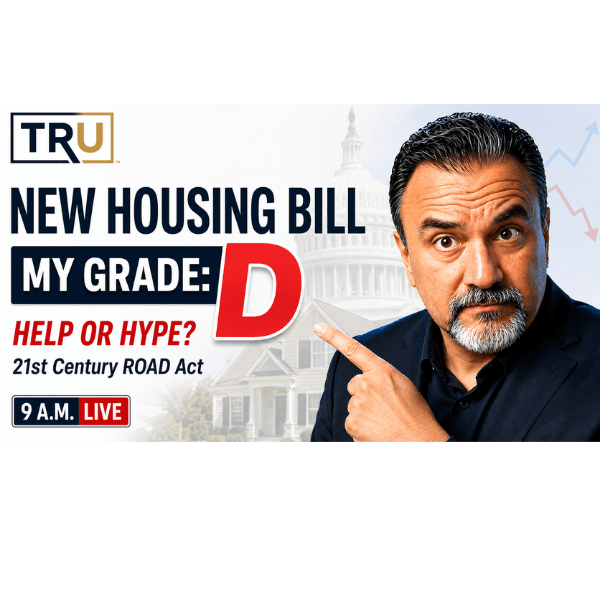
Congress just passed the 21st Century ROAD to Housing Act, a major housing bill aimed at improving supply, affordability, rural housing, manufactured housing, and financing access. But will it actually help homebuyers, homeowners, and builders — or is it mostly political window dressing? In this breakdown, I explain why I’m skeptical, why I give the bill a D, and what really needs to happen if America wants lower housing costs and better mortgage affordability.
Published on 05/26/2026