
The 60-second version
- Where rates are: the 30-year fixed is 7.45%, the 15-year 6.99%, FHA 7.05% and VA 7.07% (Mortgage News Daily index, Thursday close).
- Why: October inflation came in hot, and the Fed's minutes said almost all officials expect more hikes. The 10-year Treasury yield pushed back above 5.1% last Friday.
- The good news: bonds improved for three straight days mid-week. The 30-year fixed eased to 7.45% on Thursday from 7.51% Monday, and the 10-year Treasury is down to about 5.01% this morning.
- Next week: a holiday-short week with almost everything packed into Wednesday, Nov. 25: PCE inflation, GDP, durable goods, jobless claims, new home sales and the Fed's Beige Book.
- The big picture: futures put a December hike near 100%. The question is a quarter point or a half point, and next week's PCE number could tip it.
Mortgage News Daily index via the TRU Mortgage Command Center, Thursday close. National averages, not PBT Bancorp rates.
What it costs you: on a $400,000 loan, 7.45% is about $2,783 a month in principal and interest, $17 less than Monday's 7.51% ($2,800) and about $286 more than a year ago, when the 30-year was around 6.38% ($2,497).
FREE VantageScore® mortgage score check
See the score lenders are starting to use, free, before you shop for a mortgage. It won't hurt your credit.
PART 1: The headlines that moved rates this week
1. Hot inflation set the tone
The week started with the hangover from the October inflation report. Consumer prices rose 0.4% in the month, more than expected, and core prices rose 0.3%. That 0.3% mattered: Fed Governor Chris Waller had said a core reading at that level could justify a half-point hike in December. Bond traders sold, and the 10-year Treasury yield jumped about 30 basis points the week before to around 5.15%, its highest in about a month.
10-year Treasury yield: up sharply, then easing
2. Retail sales: shoppers pulled back on big purchases
Retail sales growth slowed in October
Tuesday's report showed retail sales up just 0.2% in October after a 0.8% jump in September. Car dealers and furniture stores were weak, while gas station sales were up sharply because of high fuel prices. Excluding autos, sales rose 0.6%, so the consumer isn't collapsing, but big-ticket spending is cooling.
3. Fed minutes: "almost all" expect more hikes
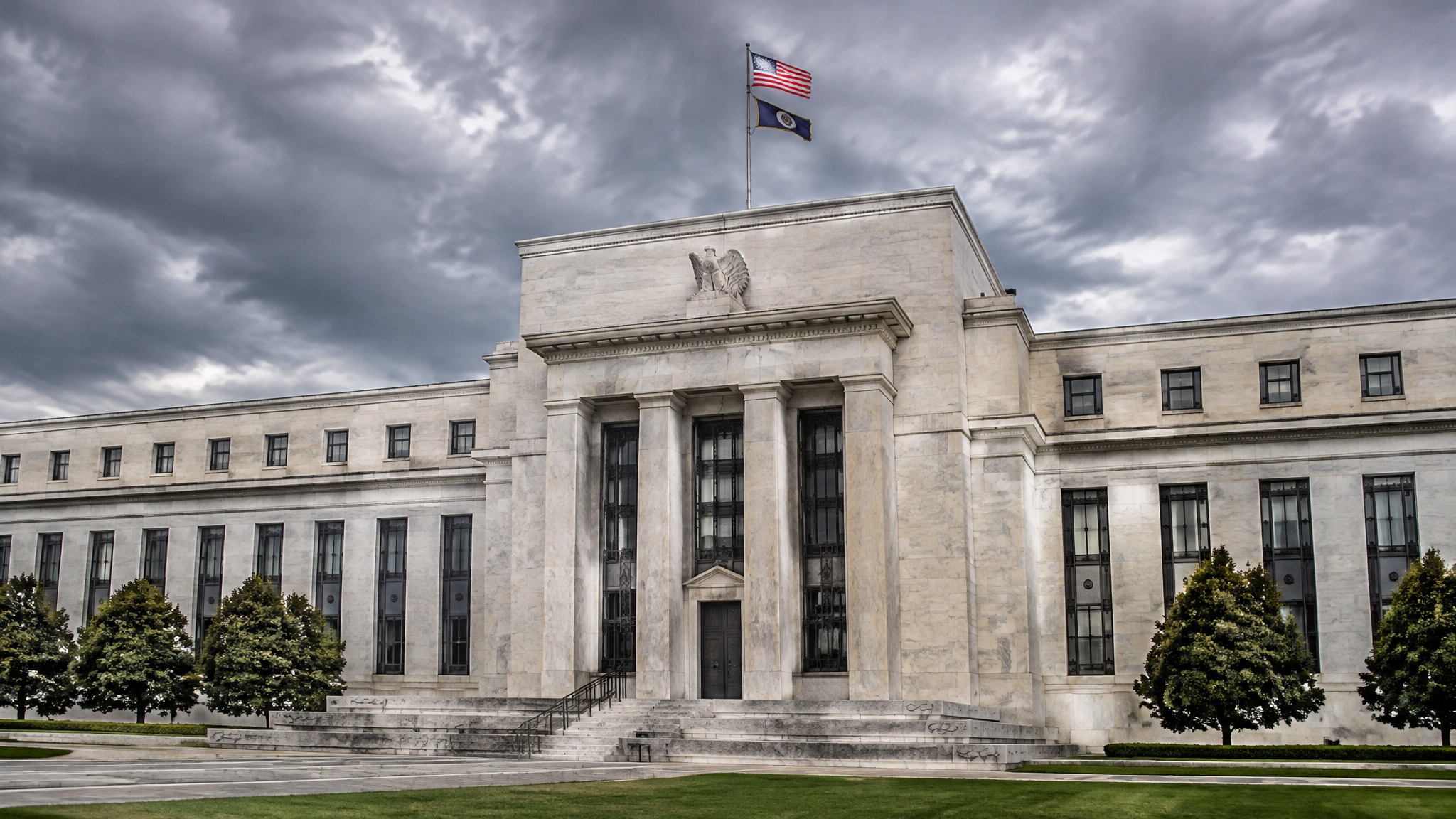
Wednesday's minutes from the October meeting showed the decision to hold rates at 3.75%–4.00% was a close call. Almost all officials said more increases would likely be needed, and a couple said a move bigger than a quarter point could be on the table if inflation stayed hot. Since then, it has. Energy prices and the AI spending boom were both named as inflation risks.
CME FedWatch: odds for the Dec. 9 decision
Futures now price roughly a 90% chance of a quarter-point hike on Dec. 9 and about 10% for a half point, with essentially no chance of a hold. Markets are also pricing another hike in January.
4. The Anthropic IPO and the AI trade

Anthropic, maker of the Claude AI models, priced its IPO at $83 a share, above its $70–$78 range, and began trading Thursday on the Nasdaq as ANT. It's the largest IPO on record. Why it matters here: the Fed has flagged AI data-center spending as an inflation risk, and AI stocks have been swinging the whole market. This week, worries about the AI boom pulled stocks lower, and that sent money into bonds, which actually helped mortgage rates improve mid-week.
5. Jobs: layoffs still low

Thursday's report showed 203,000 initial jobless claims, still low by historical standards. Continuing claims, people still collecting benefits, are running near 1.8 million, a sign that people who lose a job are taking longer to find a new one. The Philadelphia Fed's factory index also came in well below forecasts. Low layoffs plus slower hiring is a cooling job market, not a weak one.
6. Where rates finished the week
The daily 30-year index improved three days in a row
Rates started the week at their highest level in several weeks, then improved modestly each day from Tuesday through Thursday, helped mostly by a weaker stock market. The 30-year fixed finished Thursday at 7.45%, and with the 10-year Treasury at about 5.01% this morning, Friday is starting on a better footing.
Rates shown are third-party national averages, not PBT Bancorp rates. Your rate depends on your credit, down payment, loan type and other factors.
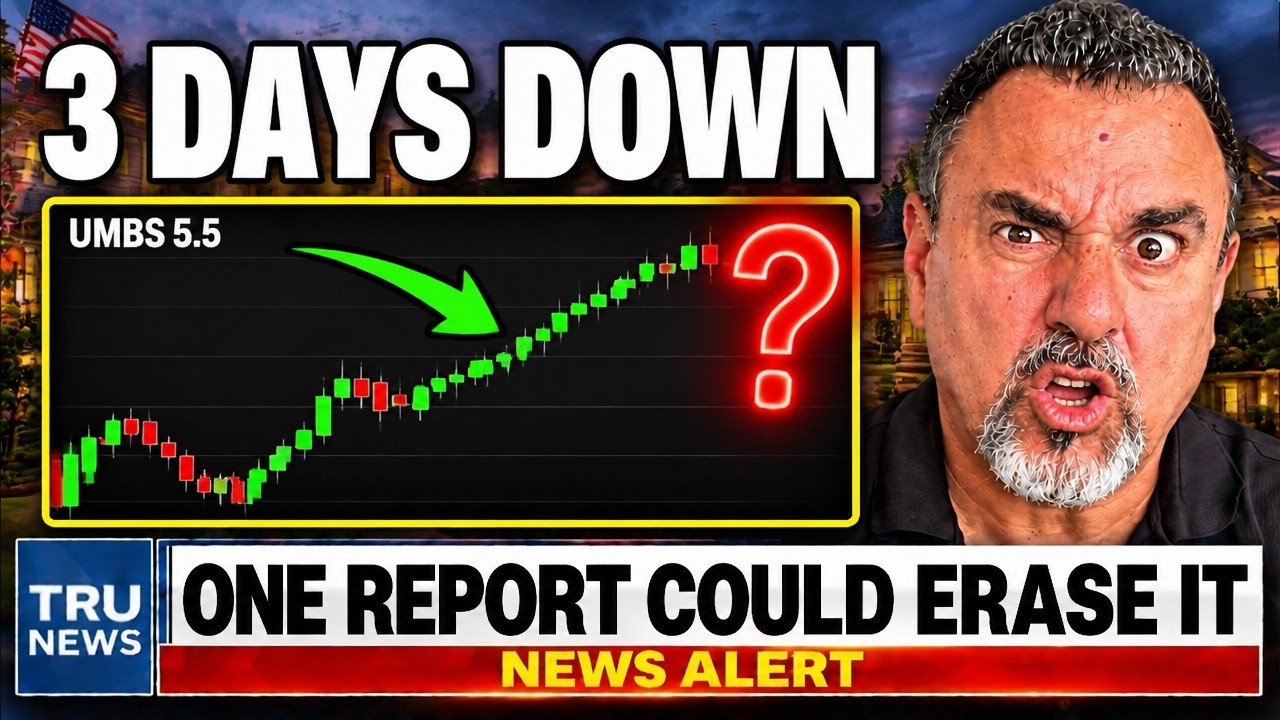
Friday morning: the MBS chart I watch every day
Mortgage-backed securities set the price of your mortgage rate. When MBS prices rise, mortgage rates fall. As of 7:32 a.m. Central on Friday, the 30-year UMBS 5.5 coupon was trading at 97.07, up 0.28 from Thursday's close of 96.79, and the UMBS 6.0 was up 0.30. The 10-year Treasury yield slipped to about 4.98%.
Why? Fear. The AI-led stock selloff that knocked the Dow down about 1,100 points Thursday spilled into Friday's futures, and nervous investors moved money into bonds. That safe-haven buying is helping mortgage rates. Still on today's calendar: Fed Governor Chris Waller, the University of Michigan's final consumer sentiment and inflation expectations at 10:00 a.m. ET, and Fed Governor Cook at 12:15 p.m. ET.
PART 2: The week ahead, Nov. 23–27
Thanksgiving makes it a short week, but Wednesday is one of the busiest data days of the year. Thin holiday trading can make moves bigger than usual. Here's what to watch, and what each report would mean for rates.
S&P Global flash PMIs (November)
An early read on factories and service businesses. Watch the price components, which show whether businesses are still raising prices.
Conference Board consumer confidence (November)
October's reading jumped to 91.7. With retail sales slowing, this shows whether households are getting nervous heading into the holidays.
PCE inflation (October): the Fed's preferred gauge
This is the inflation measure the Fed actually targets. After a hot CPI, traders will look at whether core PCE confirms it. In September, total PCE inflation was 3.6% and core was 3.1%, well above the Fed's 2% goal. This is the one number most likely to decide between a quarter-point and a half-point hike on Dec. 9.
How a PCE surprise could move rates
GDP, third quarter (second estimate)
The first estimate showed the economy growing at a strong 3.4% pace, and forecasters expect about 3.2% on the revision. A big downward revision would help bonds. Same-day releases: durable goods orders (business investment) and jobless claims, moved up a day for the holiday.
New home sales and the Fed's Beige Book
New home sales show how buyers are handling 7%+ rates; September came in at 676,000. The Beige Book is the Fed's region-by-region report on business conditions, prices and hiring, and the last big Fed document before the Dec. 8–9 meeting.
Thanksgiving Day
Stock and bond markets are closed. Lenders won't reprice.
Shortened trading after the holiday
Stocks close early at 1 p.m. ET and bond trading is typically cut short too. Light volume means a single headline can move yields more than usual.
The wild cards: oil, AI stocks and the Fed's quiet period

- Oil and the Middle East: high energy prices are the main reason inflation got hot. Oil eased this week. If it keeps falling, it takes pressure off the Fed. Any new disruption in the Gulf would push it, and rates, back up.
- AI stocks: this week's AI-led stock swoon helped bonds. If the AI trade roars back after the Anthropic debut, money can flow out of bonds again.
- Fed speakers: officials go quiet about a week and a half before each meeting. Any comments early in the week, especially about a half-point hike, will move markets.
The bottom line for buyers and homeowners
A December hike is already priced in. That's why it alone won't push mortgage rates up. What moves rates now is a surprise: a hot PCE number that revives half-point talk would push rates higher, while a cooler number, softer growth or cheaper oil gives rates room to ease into year-end. Expect a bumpy, thin-volume week.
Closing in 30 days
Consider locking before Wednesday. A hot PCE report on a thin holiday week could move rates quickly.
Still shopping
Get pre-approved now so you're ready to move if PCE comes in cool and rates dip.
Homeowners
Set your target rate in Rate Watch so you hear about it the moment rates move your way.
Make your next home move smarter
One application. One credit pull. We compare 30+ lenders so you don't have to.
📺 Watch this week's Week in Review
FAQ
Why did mortgage rates go up this week?
October's inflation report came in hotter than expected and the Fed's minutes said almost all officials expect more rate hikes. That pushed the 10-year Treasury yield above 5.1%, and mortgage rates followed, with the 30-year fixed reaching 7.51% on Monday. By Thursday it had eased back to 7.45%.
Will the Fed raise rates in December?
Markets think so. Fed funds futures put the odds of a quarter-point hike on Dec. 9 near 90%, with about a 10% chance of a half point. The Fed's next meeting is Dec. 8–9.
What is the PCE report and why does it matter?
PCE stands for personal consumption expenditures. It's the inflation measure the Fed uses for its 2% target. October's PCE comes out Wednesday, Nov. 25. A hot number could raise the odds of a bigger December hike and push mortgage rates higher.
Do mortgage rates change during Thanksgiving week?
Yes. Markets are open Monday through Wednesday and for a shortened session Friday, and lenders reprice when bonds move. Holiday trading is thin, so moves can be bigger than normal. Markets are closed Thursday.
Should I lock my rate before Thanksgiving?
If you're closing within 30 days, locking before Wednesday's data protects you from a hot surprise. If you're further out, getting pre-approved and setting a Rate Watch target lets you act if rates dip. Talk to your loan officer about your situation.
Sources
- TRU Mortgage Command Center (command.therateupdate.com), Nov. 20, 2026
- Mortgage News Daily, 30-year fixed rate index, Nov. 16–19, 2026
- U.S. Bureau of Labor Statistics, Consumer Price Index for October 2026, via Stock Analysis and Newsquawk
- U.S. Census Bureau, Advance Monthly Retail Sales for October 2026, Nov. 17, 2026
- Federal Reserve, Minutes of the FOMC, Oct. 27–28, 2026 (released Nov. 18, 2026); Reuters, CNBC and AP coverage
- CME FedWatch Tool, via Trading Economics, Nov. 19, 2026
- Trading Economics and Advisor Perspectives, U.S. 10-year Treasury yield, Nov. 6–19, 2026
- U.S. Labor Department, weekly unemployment insurance claims, Nov. 19, 2026
- Anthropic IPO pricing: CNBC, Reuters and Bloomberg reports, Nov. 18–19, 2026
- Week-ahead schedule: BEA release calendar; Letters to a Young Investor and Econvitals economic calendars